
Table Of Contents
- 1 Introduction
- 2 Does Hanoi Have a Red Light District?
- 3 Where Are Hanoi’s Red Light Areas and Nightlife Districts?
- 4 What Kind of Adult Entertainment Exists in Hanoi?
- 5 Is Prostitution Legal in Hanoi and Vietnam?
- 6 Is Hanoi Red Light District Safe for Tourists?
- 7 What Is Hanoi Nightlife Like Beyond Adult Entertainment?
- 8 Hanoi & Other Red Light Districts in Vietnam
- 9 Practical Tips for Exploring Hanoi at Night
- 10 FAQs
- 10.1 Does Hanoi have an official red-light district?
- 10.2 Where is the red light district in Hanoi?
- 10.3 Is prostitution legal in Hanoi?
- 10.4 Is Hanoi safe at night for foreigners?
- 10.5 Are there adult entertainment venues in Hanoi?
- 10.6 Is Ta Hien Street part of Hanoi’s Red Light District?
- 10.7 What should tourists avoid in Hanoi at night?
- 10.8 What are the best alternatives to adult nightlife in Hanoi?
- 11 Conclusion: Is Hanoi Worth Exploring at Night?
Introduction
The Hanoi Red Light District is not an officially designated district in Vietnam’s capital, but travelers searching for one will find a variety of nightlife venues, karaoke lounges, massage establishments, and adult-oriented entertainment scattered across the city. Unlike destinations with clearly established red-light neighborhoods, Hanoi has a more discreet nightlife scene, where ordinary entertainment areas and adult-oriented businesses should not be confused with legally recognized prostitution zones.
For curious visitors, understanding this distinction is important before exploring Hanoi after dark. The city offers lively beer streets, rooftop bars, nightclubs, karaoke venues, and massage and spa services. However, prostitution-related activities are subject to Vietnamese law, and tourists should be cautious about misleading offers, unexpected charges, and establishments that operate outside legal requirements.
This guide explains what the Hanoi Red Light District really means, where to find the city’s popular nightlife areas, what kinds of entertainment are available, and how to enjoy an evening in Hanoi safely and responsibly.
Does Hanoi Have a Red Light District?
The short answer is no. Hanoi does not have an officially recognized red-light district where prostitution is legally regulated within a designated neighborhood. Instead, the Hanoi Red Light District is a search term commonly used by international visitors looking for adult entertainment, nightlife, or establishments offering services beyond conventional tourism activities.
Unlike some international destinations, Vietnam does not operate a system of designated legal prostitution districts. Adult-oriented businesses may exist in different parts of Hanoi, but their presence does not make an entire street or neighborhood an official red-light area.
This distinction helps travelers avoid confusion when researching the Hanoi Red Light District online. Some websites describe particular streets as adult entertainment hotspots, but such descriptions should not be treated as verified information about legal prostitution venues.
Hanoi’s Adult Entertainment Scene Explained
Hanoi’s nightlife includes several types of businesses that international visitors may associate with adult entertainment. These establishments are not necessarily connected to prostitution.
Common examples include:
- Karaoke lounges: Private rooms where customers can sing, socialize, and enjoy drinks.
- Hostess-style entertainment venues: Businesses where staff socialize with customers, although the nature and legality of individual services vary.
- Massage and spa services: Establishments offering relaxation treatments, traditional massage, and wellness experiences.
- Bars and nightclubs: Social entertainment venues that attract both local residents and international visitors.
Understanding these differences is essential when researching the Hanoi Red Light District. A business offering nightlife or massage services should never automatically be assumed to provide sexual services.

Where Are Hanoi’s Red Light Areas and Nightlife Districts?
Travelers asking where to find red light areas in Hanoi should understand that there is no confirmed official map or designated adult-entertainment neighborhood. Instead, visitors will encounter different nightlife environments across the capital, particularly around Hoan Kiem District and Tay Ho District. These areas offer a mixture of bars, restaurants, karaoke venues, and other evening entertainment.
The Hanoi Red Light District is therefore better understood as a broad search category than a specific destination. The following neighborhoods are worth knowing about when exploring Hanoi after dark, although none should be presented as an officially recognized prostitution zone.
Hanoi Old Quarter and Ta Hien Beer Street
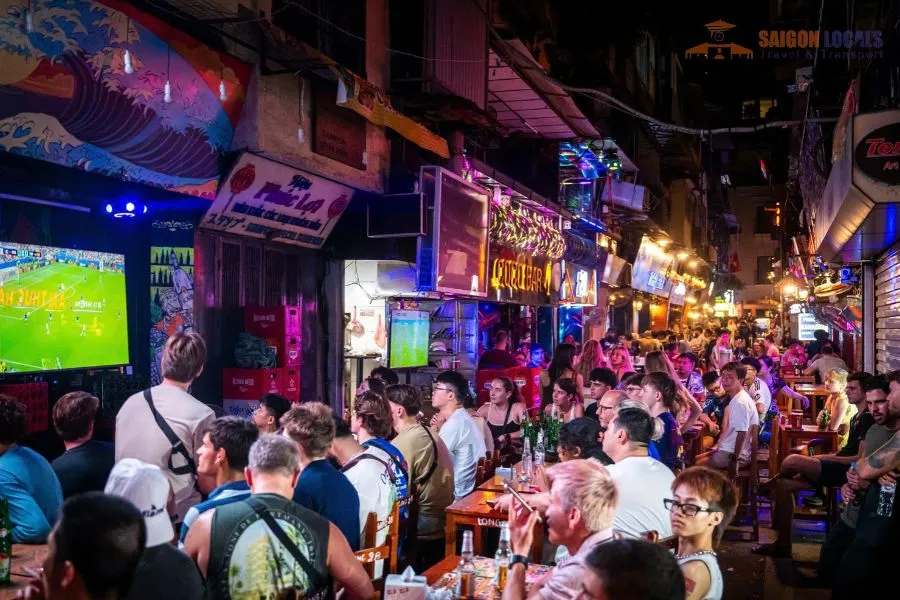
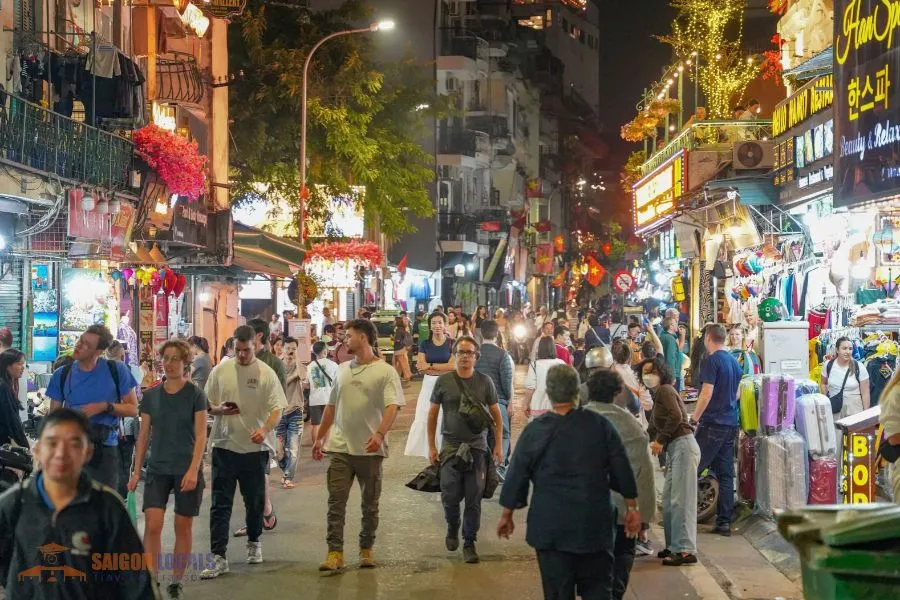
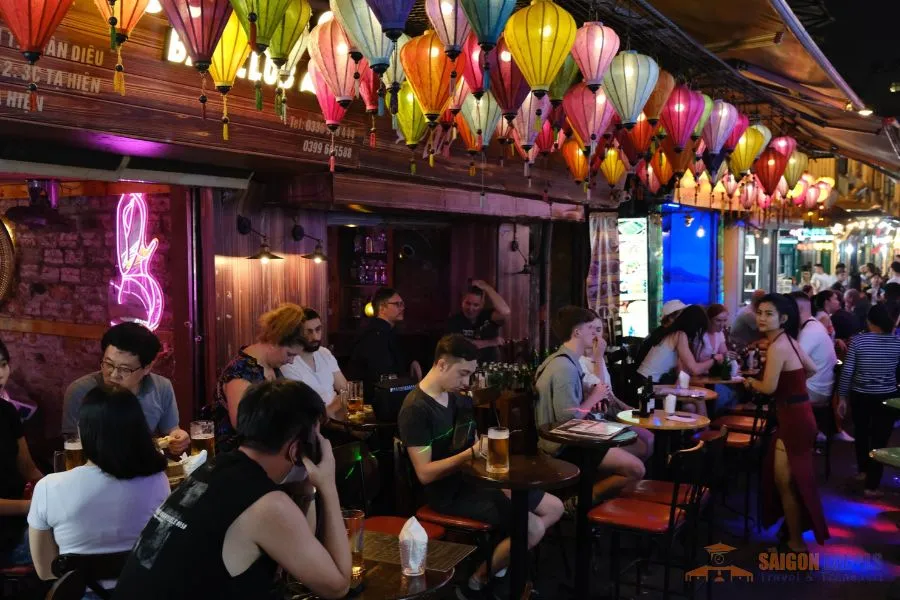
The Hanoi Old Quarter is one of the city’s most recognizable nightlife destinations. Its narrow streets become particularly lively after sunset, attracting backpackers, international visitors, and Vietnamese residents looking for food, drinks, and casual entertainment.
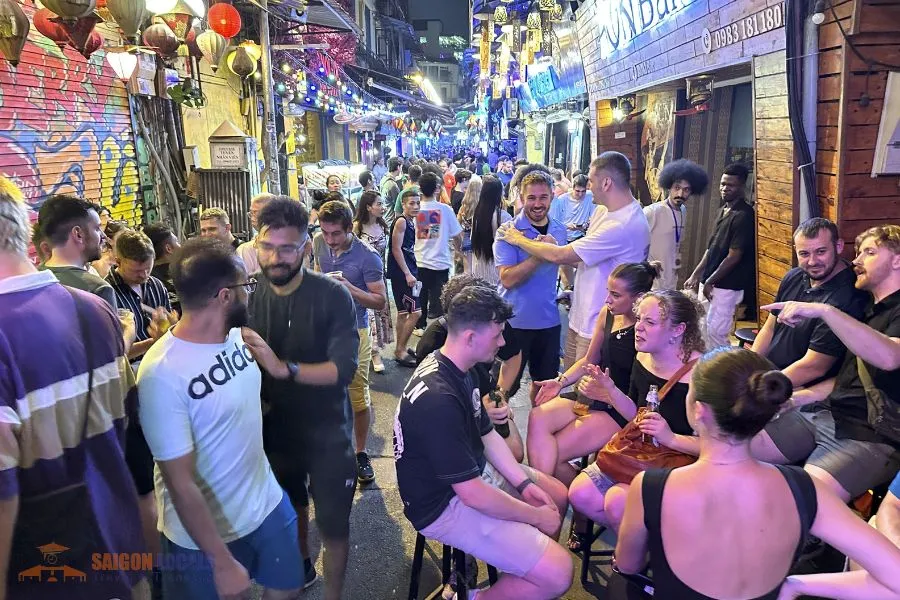
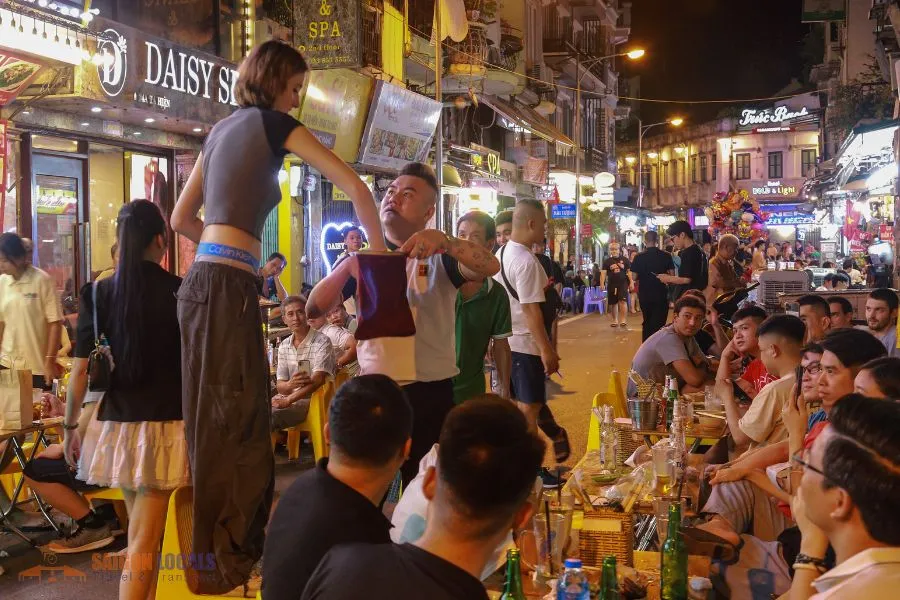
One of its best-known attractions is Ta Hien Beer Street, often called Beer Street by international travelers. The area is famous for its sidewalk beer stalls, small bars, and inexpensive local food. Nearby, Bia Hoi Corner at the intersection of Ta Hien and Luong Ngoc Quyen streets provides another popular place to experience Vietnamese nightlife culture.
Although some online guides associate the Old Quarter with the Hanoi Red Light District, Ta Hien is primarily a social drinking and entertainment area. Visitors should come for its lively atmosphere rather than assume that adult services are available.
Hoan Kiem District and Surrounding Streets
Hoan Kiem District offers a broader selection of Hanoi entertainment areas, from traditional restaurants and cocktail bars to rooftop lounges and live-music venues. Its central location makes it convenient for travelers staying in the Old Quarter or near Hoan Kiem Lake.
During weekends, the pedestrian streets around the lake attract families, couples, street performers, and groups of friends. The atmosphere is generally more relaxed than the busy beer streets, making this neighborhood suitable for visitors who prefer an evening walk or a quieter drink.
For travelers researching the Hanoi Red Light District, this area is worth exploring as part of the city’s wider nightlife scene. However, its bars and entertainment venues should not be confused with a designated adult-entertainment district.
Tay Ho District and West Lake Hanoi
Tay Ho District, surrounding West Lake Hanoi, has a different atmosphere from the Old Quarter. It is popular with expatriates, international residents, and visitors who prefer stylish restaurants, cocktail bars, international cuisine, and more relaxed nightlife.
Streets around Xuan Dieu and Dang Thai Mai are particularly worth exploring. Visitors can find restaurants, cafés, pubs, and social venues where people gather for drinks and conversation.
While researching the Hanoi Red Light District, some travelers may encounter websites describing Tay Ho as an adult nightlife destination. It is more accurate to describe it as an international dining and entertainment neighborhood. The district offers plenty of evening activities without requiring visitors to seek out questionable services.
What Kind of Adult Entertainment Exists in Hanoi?
The Hanoi Red Light District search often leads visitors to questions about the types of adult-oriented entertainment available in the capital. Hanoi has businesses that cater to different nightlife preferences, including karaoke lounges, hostess-style establishments, massage services, and conventional bars.
However, it is important to distinguish between legitimate entertainment businesses and activities that may violate Vietnamese law. A karaoke lounge does not automatically offer adult services, and a massage establishment should not be assumed to provide sexual services. Travelers should check the reputation, business details, and service descriptions of any venue before visiting.
Here are the main categories that visitors may encounter when exploring Hanoi adult nightlife.
Karaoke Bars and Hostess Entertainment
Karaoke is a popular social activity in Vietnam, and Hanoi has numerous establishments offering private singing rooms for friends, families, and business groups. These karaoke bars range from relatively simple local venues to upscale lounges with private rooms, food, and beverage services.
Some establishments also promote hostess entertainment, where staff socialize with customers. The exact nature of these arrangements differs between businesses, so travelers should not assume that every hostess bar operates in the same way.
If you are interested in visiting karaoke lounges, ask about room charges, minimum spending requirements, drink prices, and additional fees before ordering. This is especially important for international visitors unfamiliar with local pricing practices.
When researching the Hanoi Red Light District, remember that hostess-style entertainment and prostitution are not interchangeable terms. Visitors should avoid any business that makes unclear promises about services or refuses to explain its pricing.

Massage Parlors and Spa Services
Massage and spa services are another reason international travelers search for adult-oriented entertainment in Hanoi. However, the city has many conventional wellness businesses offering professional treatments, and these should be distinguished from establishments advertising ambiguous or inappropriate services.
Common treatments include traditional Vietnamese massage, foot reflexology, body relaxation treatments, and herbal therapies. Some spas also provide facial treatments and other wellness services.
For a comfortable experience, choose a reputable establishment with a clear service menu, transparent prices, and professional staff. Ask whether the quoted price includes service charges or other fees before starting your treatment.
The Hanoi Red Light District is not an appropriate way to categorize all massage businesses. A legitimate spa visit is a wellness experience, and travelers should respect the professional boundaries of employees.

Is Prostitution Legal in Hanoi and Vietnam?
Understanding Vietnamese prostitution laws is essential for anyone researching the Hanoi Red Light District. Vietnam does not recognize prostitution as a legal commercial industry, and the country does not have officially licensed red-light districts where sex work is permitted as a regulated business.
Under the national legal framework, buying and selling sexual services can attract administrative penalties. Activities such as organizing, facilitating, coercing, or operating prostitution-related businesses may carry more serious consequences. Criminal liability can also apply to associated offenses, including human trafficking and sexual exploitation.
For international travelers, the important takeaway is straightforward. Do not assume that something advertised online or offered privately is legal simply because it appears accessible to tourists.
What Does Vietnamese Law Say?
Vietnamese law addresses prostitution through administrative regulations and criminal provisions covering more serious related conduct.
Decree 282/2025/ND-CP, effective from December 15, 2025, sets out administrative penalties for various violations involving prostitution, including buying and selling sexual services. It also provides for additional measures in certain circumstances, including potential deportation for foreign nationals who commit specified violations.
The legal distinctions matter:
| Activity | General legal position |
| Buying sexual services | Administrative violation |
| Selling sexual services | Administrative violation |
| Organizing prostitution | May attract serious administrative or criminal consequences depending on conduct |
| Coercion and trafficking | Serious criminal offenses |
| Sexual exploitation of minors | Criminal offense |
⚠️ The table provides a general overview rather than legal advice. Specific consequences depend on the circumstances and applicable legislation.
Is Prostitution Illegal in Vietnam for Foreigners?
Foreign visitors are not exempt from Vietnamese law. Being a tourist, staying in a hotel, or visiting an entertainment venue does not provide immunity from local regulations.
Foreign nationals who engage in prohibited activities may face administrative fines and, in applicable cases, additional immigration consequences. Businesses or individuals involved in organizing exploitation or trafficking may face much more serious legal action.
Anyone researching the Hanoi Red Light District should avoid relying on online advertisements, unofficial agents, or claims that particular services are permitted because they are common in tourist areas.

📌 For more information about the country’s wider situation, you can also explore the Does Vietnam have a red district? guide, which provides broader context beyond the capital.
Is Hanoi Red Light District Safe for Tourists?
Hanoi is generally a welcoming destination for international visitors, and many of its popular nightlife areas can be explored comfortably with reasonable precautions. However, tourists should remain aware of their surroundings, particularly when visiting unfamiliar establishments late at night.
The main concerns associated with the Hanoi Red Light District search are not limited to physical safety. Misleading advertisements, unclear service charges, aggressive sales tactics, and unofficial transportation offers can also create unpleasant experiences. Some travelers may encounter businesses that advertise attractive prices but introduce additional charges after customers arrive.
A little preparation can help you avoid these situations and enjoy Hanoi nightlife without unnecessary stress.
Common Nightlife Scams and Things to Avoid
Although not every nightlife business operates dishonestly, visitors should be cautious when approached by strangers offering unusually attractive entertainment deals.
Some warning signs include:
- Unclear pricing: Staff refuse to provide a complete price list or explain additional charges.
- Unexpected bills: The final amount is significantly higher than the price initially advertised.
- Pressure to enter: Individuals aggressively encourage tourists to visit a particular bar, karaoke lounge, or massage establishment.
- Unverified services: Businesses make vague promises about adult entertainment without explaining what is actually included.
- Unofficial transportation: Strangers offer rides while pretending to represent a legitimate taxi company or ride-hailing service.
Avoid handing over your passport, bank card, or personal belongings as security for entertainment services. If a business makes you uncomfortable, leave rather than feeling pressured to continue.
Personal Safety Tips for Foreign Visitors
Exploring Hanoi at night is generally straightforward when you use common-sense precautions. Government travel advice also highlights the importance of protecting personal drinks, being cautious with strangers, and using reliable transportation.
Here are some practical recommendations:
- Keep your belongings secure. Carry only essential valuables and pay attention to your phone and wallet in crowded streets.
- Watch your drinks. Buy beverages directly from reputable establishments and never leave them unattended.
- Check prices beforehand. Confirm the total cost, including service charges, before ordering.
- Use trusted transportation. Book Grab, Xanh SM, or a reputable taxi rather than accepting unsolicited rides.
- Share your location. Let someone you trust know where you are going, especially when traveling alone.
- Know your way back. Save your hotel location and arrange your return journey before the evening gets too late.
These precautions apply to the wider Hanoi nightlife scene, not just places associated with the Hanoi Red Light District.
What Is Hanoi Nightlife Like Beyond Adult Entertainment?
One of the biggest misconceptions about the Hanoi Red Light District is that adult entertainment represents the city’s entire after-dark culture. In reality, Hanoi offers a much wider range of experiences, many of which are more interesting for international travelers.
From traditional street food and local beer to live music and rooftop cocktails, the capital has something for different budgets and travel styles. Visitors can spend an evening discovering the city’s food culture, meeting other travelers, or enjoying views of its historic streets.
If you are wondering where to go out at night in Hanoi, the following activities are worth considering.
Enjoy Local Beer at Bia Hoi Corner
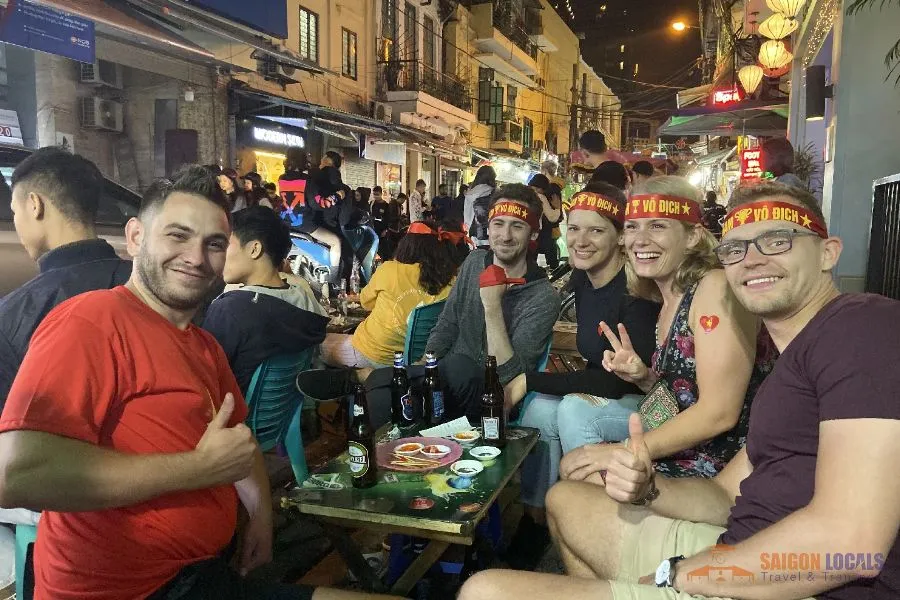
For a casual introduction to Vietnamese nightlife culture, visit Bia Hoi Corner in the Old Quarter. This famous gathering point offers a glimpse into the everyday social habits of Hanoi residents.
Bia hoi is fresh draft beer traditionally served in small glasses, often alongside grilled food, fried snacks, and other local dishes. The experience is less about sophisticated bars and more about sitting outdoors, enjoying inexpensive refreshments, and watching the neighborhood come alive.
Ta Hien Beer Street is another excellent choice for visitors who enjoy energetic crowds and a lively international atmosphere. Both locations are especially popular with backpackers and travelers staying in central Hanoi.
Discover Rooftop Bars and Cocktail Lounges
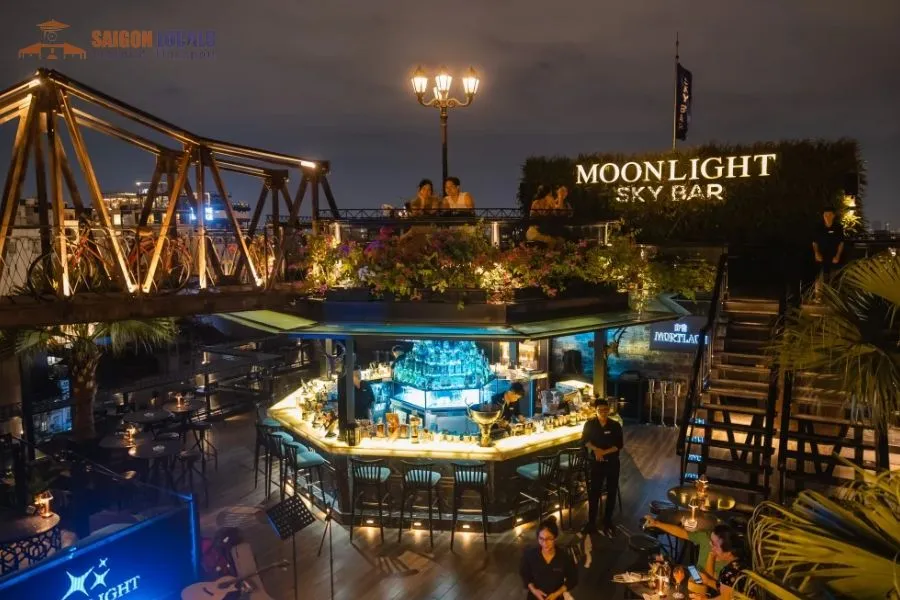
If you prefer a quieter and more sophisticated evening, Hanoi has several rooftop bars and cocktail lounges offering views of the city’s skyline. These establishments provide an alternative to the crowded atmosphere of the Old Quarter.
You can enjoy cocktails, Vietnamese-inspired drinks, and light refreshments while looking out over the illuminated streets. Some venues also feature live music or relaxed lounge settings.
Rooftop bars are particularly suitable for couples, small groups, and visitors who want to experience Hanoi nightlife without entering adult-oriented establishments.
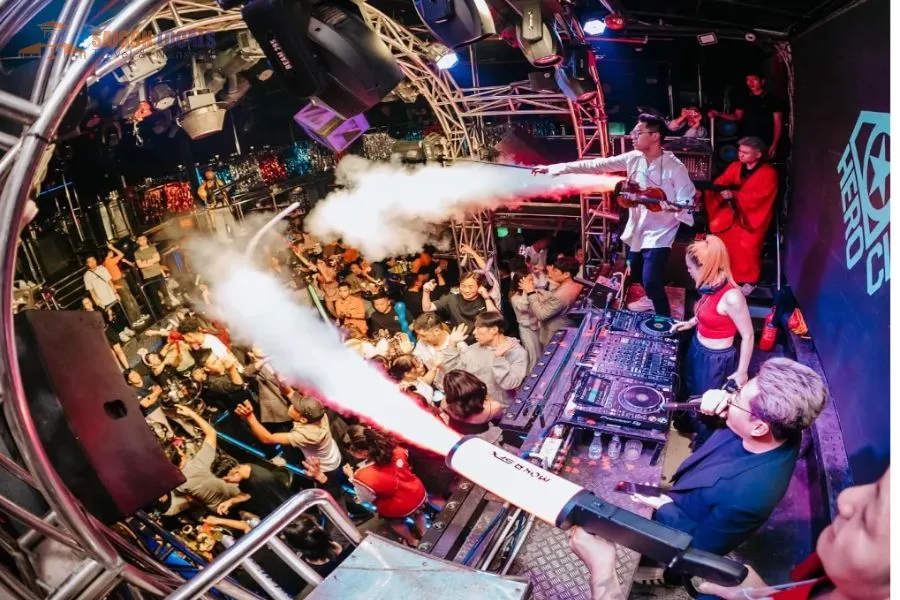
Explore Nightclubs and Live Music Venues
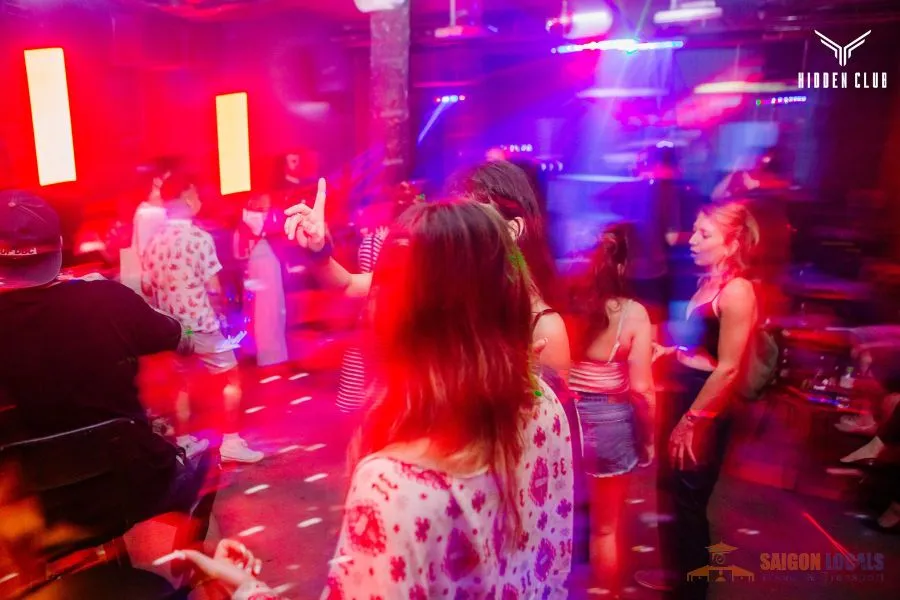
Travelers who enjoy dancing and contemporary music can explore Hanoi’s nightclub scene. The city has entertainment venues featuring DJs, electronic music, and international party events.
Live music venues are another option, with some establishments offering jazz, acoustic performances, and local Vietnamese music. These experiences provide a different perspective on the capital’s cultural life.
Opening hours, entry policies, and event schedules vary between venues, so check directly with the establishment before visiting. If you are planning a late night out, arrange reliable transportation in advance rather than assuming every venue operates until the early morning.
Try Hanoi Street Food After Dark
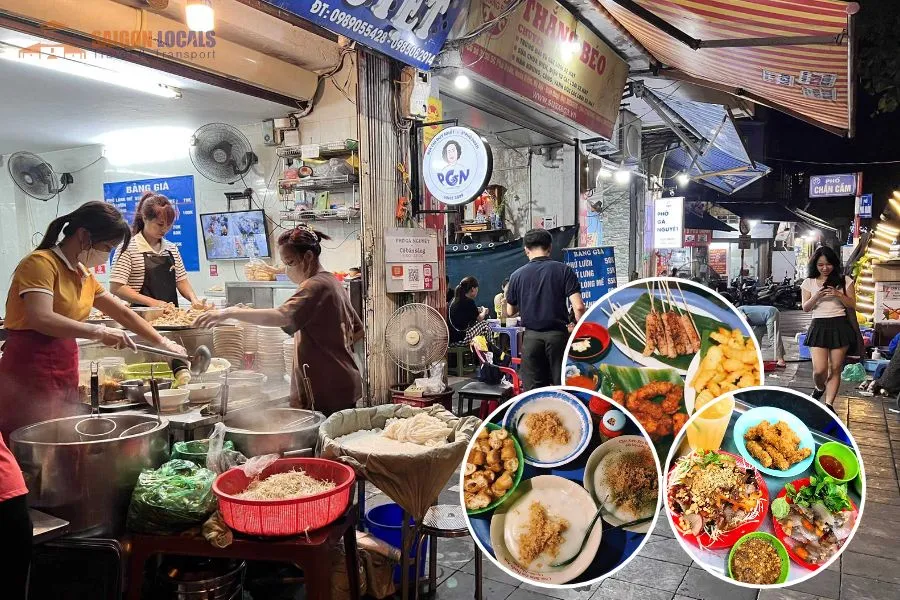
Food is an essential part of the Hanoi evening experience. Many visitors enjoy walking through the Old Quarter, stopping at small restaurants and street stalls to sample local specialties.
Some popular dishes to try include:
- Pho: Vietnamese noodle soup served with beef or chicken.
- Bun cha: Grilled pork served with rice noodles, herbs, and dipping sauce.
- Banh mi: A Vietnamese baguette filled with meat, vegetables, and flavorful sauces.
- Nem ran: Vietnamese fried spring rolls.
- Che: Traditional Vietnamese sweet desserts with different ingredients and textures.
Combining street food with an evening walk is a rewarding way to experience the city without focusing exclusively on the Hanoi Red Light District.
Hanoi & Other Red Light Districts in Vietnam
Travelers researching the Hanoi Red Light District often compare the capital with other popular Vietnamese destinations. While Hanoi, Ho Chi Minh City, Da Nang, and Nha Trang all have nightlife and entertainment businesses, their after-dark environments are different.
It is important to remember that none of these cities has an officially designated legal prostitution district. The term red light district is generally used by travelers and online publications to describe areas associated with adult-oriented entertainment rather than an officially recognized geographical zone.
Here is a general comparison to help visitors understand the differences.
| Destination | What its nightlife is known for |
| Hanoi | Traditional beer streets, karaoke, cocktail bars, and cultural experiences |
| Ho Chi Minh City | Busy nightlife streets, nightclubs, rooftop bars, and entertainment venues |
| Da Nang | Beachfront bars, nightclubs, karaoke, and tourist-oriented entertainment |
| Nha Trang | Beach clubs, seaside bars, karaoke, and resort nightlife |
If you are planning a broader trip around Vietnam, these related guides can provide additional information:
- Ho Chi Minh Red Light District: Learn about the nightlife and adult-entertainment searches associated with Vietnam’s largest city.
- Da Nang Red Light District: Explore Da Nang’s nightlife environment and entertainment options.
- Nha Trang Red Light District: Discover the nightlife scene in this popular coastal destination.
Rather than assuming that these cities have officially recognized red-light neighborhoods, travelers should research individual establishments and understand the local regulations.
Practical Tips for Exploring Hanoi at Night
A little planning can make your evening more enjoyable, especially if this is your first visit to Vietnam’s capital. The Hanoi Red Light District search may introduce you to unfamiliar neighborhoods and businesses, but you do not need to visit questionable establishments to experience the city’s nightlife.
Consider these practical travel tips before heading out:
| Travel consideration | Recommendation |
| Best time to explore | Early evening is ideal for street food and casual nightlife |
| Transportation | Use Grab, Xanh SM, or reputable taxi services |
| Clothing | Smart casual clothing is suitable for most bars and restaurants |
| Payments | Carry some Vietnamese dong for smaller purchases |
| Communication | Keep your hotel address saved on your phone |
| Personal belongings | Secure your phone, wallet, and passport |
| Venue selection | Choose businesses with transparent pricing and established reputations |
If you are traveling alone, consider staying around the Old Quarter or Hoan Kiem Lake, where you can find numerous restaurants, bars, and accommodation options within walking distance.
For visitors who want to explore further, Tay Ho offers a different atmosphere with international restaurants, cocktail bars, and social venues. Choosing the right neighborhood according to your preferences is more useful than searching for an unofficial red-light district.
FAQs
Does Hanoi have an official red-light district?
No. Hanoi does not have an officially designated red-light district. Although the city has various nightlife establishments and adult-oriented entertainment businesses, prostitution is not legally organized within a designated neighborhood.
Where is the red light district in Hanoi?
There is no officially recognized location. International travelers searching for the Hanoi Red Light District may encounter references to the Old Quarter, Ta Hien Street, Hoan Kiem District, and Tay Ho. However, these are general nightlife and entertainment areas rather than confirmed prostitution zones.
Is prostitution legal in Hanoi?
No. Vietnam does not recognize prostitution as a legal commercial industry. Buying and selling sexual services are subject to administrative penalties, while organizing prostitution, coercion, and human trafficking can involve more serious legal consequences.
Is Hanoi safe at night for foreigners?
Hanoi is generally welcoming to international tourists, and its main nightlife neighborhoods attract many visitors. However, travelers should watch their belongings, avoid suspicious offers, check prices before ordering, and use reliable transportation when returning to their accommodation.
Are there adult entertainment venues in Hanoi?
Hanoi has various establishments associated with adult-oriented entertainment, including some karaoke lounges and hostess-style venues. However, their services and operating practices differ. Visitors should verify business details and avoid assuming that an entertainment venue provides legally permitted sexual services.
Is Ta Hien Street part of Hanoi’s Red Light District?
No. Ta Hien Street is best known as a lively beer street in the Old Quarter. It attracts international travelers and local residents who enjoy fresh draft beer, street food, and casual bars. It is not an officially designated red-light area.
What should tourists avoid in Hanoi at night?
Avoid unverified entertainment offers, establishments with unclear pricing, unsolicited transportation, and situations where strangers pressure you to spend money. Keep your drinks in sight, secure your belongings, and leave any venue where you feel uncomfortable.
What are the best alternatives to adult nightlife in Hanoi?
Hanoi offers plenty of alternatives, including Ta Hien Beer Street, rooftop cocktail bars, live music venues, night markets, street food tours, and evening walks around Hoan Kiem Lake. These activities provide an enjoyable introduction to the city’s nightlife and local culture.
Conclusion: Is Hanoi Worth Exploring at Night?
The Hanoi Red Light District is not an officially recognized neighborhood, and travelers should be careful about online descriptions that present particular streets as established prostitution zones. Instead, Hanoi has a diverse nightlife scene featuring beer streets, karaoke lounges, cocktail bars, nightclubs, massage and spa services, and many other entertainment options.
For most visitors, the Old Quarter, Ta Hien Beer Street, Hoan Kiem Lake, and Tay Ho offer a much more reliable starting point for exploring the capital after dark. Understanding local regulations, checking prices, and choosing reputable establishments will help you enjoy your visit while avoiding unnecessary risks.
Whether you are traveling alone, with friends, or as a couple, Hanoi has plenty to offer beyond adult entertainment. Take the opportunity to discover its street food, experience its lively beer culture, and enjoy the atmosphere of one of Vietnam’s most fascinating cities.
Saigon Locals team really hopes this guide helps you make the most of Hanoi’s nightlife while staying safe and enjoying everything the city has to offer. Thanks for reading!